My background
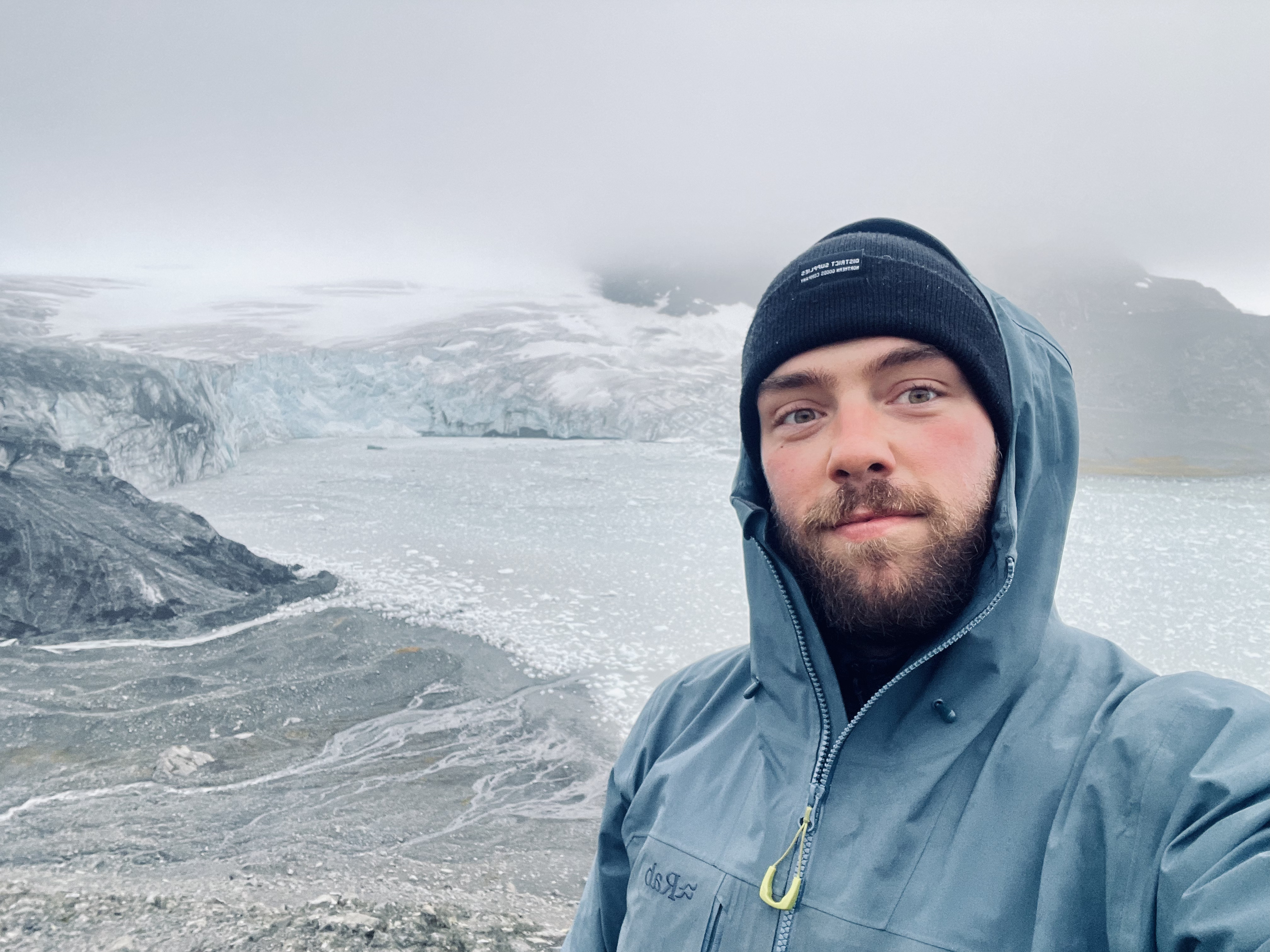
Hi! I’m a scientist passionate about understanding how the smallest forms of life shape the ecosystems we all depend on. I graduated in Environmental Sciences from the Autonomous University of Madrid in 2021, and later completed master’s degrees in Ecology and Marine Biology. Somewhere between lab work, Arctic microbial mats, and late-night data analysis, I realized that microbes are the invisible architects of life on Earth.
During my master’s in Ecology, I joined the research group Photosynthetic Microorganisms: Ecophysiology and Environmental Biotechnology, where I dove into the world of polar microbiology. My thesis explored how carbon flows through microbial mats in Arctic wetlands. This poject led me into the fascinating mix of field ecology, bioinformatics, and the deep philosophy of “who really runs the planet.” Spoiler: it’s probably the microbes. Since then, I’ve worked both in research and in the private environmental sector. At Eurofins Cimera Estudios Aplicados S.L., I learned the art of translating fieldwork into ecological meaning, sampling rivers, studying invasive species, and identifying diatoms under the microscope to assess ecosystem health. Now, I’m part of the MERIDIAN project (Microbial and Environmental Drivers of Diversity in Antarctic Terrestrial Ecosystems), where we study how microbial communities in Antarctica soils respond to changes in snow and temperature. Understanding these dynamics helps us see how ecosystems might adapt or struggle in a rapidly changing world. I’m also pursuing a PhD in Microbiology at the Autonomous University of Madrid, serve as vice-president of APECS-Spain (Association of Polar Early Career Scientists), and collaborate on international projects like COLDwater (European Commission) and Digital Microscopy Platform for Phytoplankton Identification. At the core of everything I do is one idea: microbes tell the story of resilience, adaptation, and connection. Studying them isn’t just about science, it’s about learning, balance, and how life finds a way in even the harshest corners of the planet.